Concept: Translating High-End Kitchen Design into Real Projects
In professional kitchen design, inspiration often comes from visually striking, designer-level spaces—but the real challenge is translating those ideas into functional, budget-aware solutions. When working on a kitchen remodel for mid- to high-end clients in the U.S., I focus on adapting design concepts rather than copying aesthetics.
For example, a dramatic marble island may define a luxury kitchen visually, but in practice, we evaluate durability, maintenance, and cost efficiency. Clients investing in a home remodel expect beauty, but also long-term performance. The key is balancing statement elements with practical materials that align with realistic kitchen renovation costs.
Layout: Function First, Then Visual Impact
Every successful kitchen starts with a layout that supports real daily use. Designer kitchens often showcase open plans, oversized islands, and seamless flow—but these only work when adapted to the client’s space.
Open Layouts and Zoning
In a typical kitchen remodel, especially in suburban U.S. homes, I prioritize zoning over strict adherence to the traditional work triangle. Cooking, prep, cleaning, and social zones must be clearly defined. For families combining kitchen design with bathroom remodel or broader home remodel projects, continuity of flow becomes critical.
A real scenario: a client with a 2,400 sq. ft. home wanted a luxury open kitchen. Instead of removing all walls, we created partial separations using cabinetry and lighting. This preserved openness while maintaining functional zones—something often overlooked in purely aesthetic designs.
Island Design as a Functional Core
The kitchen island is often overemphasized visually, but its real value lies in function. Seating, storage, and workflow must dictate its size and placement. Poorly planned islands are one of the most common mistakes that increase kitchen remodel costs without adding usability.
Materials: Performance Over Trends
Designer kitchens frequently feature bold materials—natural stone, high-gloss finishes, or dark cabinetry. In practice, material selection must align with lifestyle, maintenance expectations, and budget constraints.
Cabinetry and Surfaces
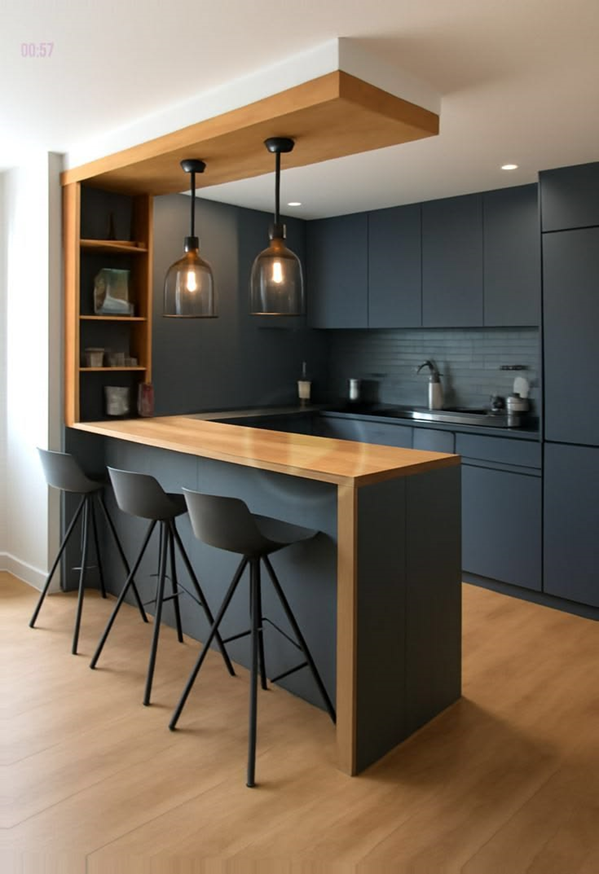
In high-end interior design, flat-panel cabinetry and integrated handles dominate. However, for many clients, durability matters more than minimalism. I often recommend engineered materials that mimic natural finishes but perform better under daily wear.
For countertops, while natural stone is visually appealing, engineered quartz offers consistency and lower maintenance—an important factor when managing kitchen renovation costs.
Color and Contrast
Modern kitchens lean toward contrast—light cabinetry paired with dark islands or vice versa. This approach works well in both large and compact spaces, especially when coordinated with adjacent areas in a home remodel or bath remodeling project.
Costs: Where to Invest and Where to Save
Understanding cost distribution is critical in any kitchen remodel. Designer kitchens often suggest unlimited budgets, but real projects require prioritization. High-Impact Investments
Clients should invest in:
- Cabinetry (40–50% of budget)
- Countertops and surfaces
- Layout improvements
These elements define both functionality and long-term value.
Controlled Spending Areas
Savings can be achieved in:
- Decorative lighting (without compromising quality)
- Hardware and accessories
- Secondary finishes
For clients also planning renovating bathrooms, aligning material selections across spaces can reduce overall project costs and create visual consistency.
Common Mistakes in Designer-Inspired Kitchen Remodels
Even experienced homeowners make predictable mistakes when trying to replicate designer kitchens.
Overprioritizing Aesthetics
One of the most common issues is focusing too heavily on visual inspiration without considering daily use. A kitchen that looks impressive but lacks storage or workflow efficiency quickly becomes frustrating.
Ignoring Scale and Proportion
What works in a large designer space often fails in a standard home. Oversized islands, excessive cabinetry, or dramatic features can overwhelm the room and inflate kitchen remodel costs unnecessarily.
Lack of Integration with the Home
A kitchen should not feel disconnected from the rest of the house. In projects that include bathroom remodel or full home remodel, I ensure that materials, colors, and design language remain cohesive throughout.
Final Insight: Designing for Real Life, Not Just Inspiration
Designer kitchens are valuable as a source of ideas, but successful kitchen design requires interpretation, not imitation. Every decision—from layout to materials—must reflect how the space will actually be used.
In my experience, the most successful projects are those where clients understand that good design is not about copying trends, but about making informed, strategic choices. Whether part of a standalone kitchen remodel or a larger interior design and bath remodeling project, the goal remains the same: create a space that performs as well as it looks.